UC Berkeley · 2012–2018
Collaborative Remix in Online Learning
The Challenge
At the time, Massive Open Online Courses (MOOCs) were emerging as the dominant model for online learning. Many were linear sequences of content that students moved through in isolation, engaging with peers or instructors only in large forums that felt more transactional than collaborative.
Completion rates were low, students were often disengaged, and the model leaned toward passive information transfer rather than the active construction of knowledge.
The Approach
I led the development of a collection of apps and an instructional-design model - both focused on generative collaboration, remix, and meaning-making - that turned the MOOC model on its head.
Drawing on emerging Web 2.0 practices, critical-literacy and multimodal theory, and networked-learning theory, I positioned peer-to-peer engagement as the engine of the course, rather than a race to “get the right answer.”
The Build
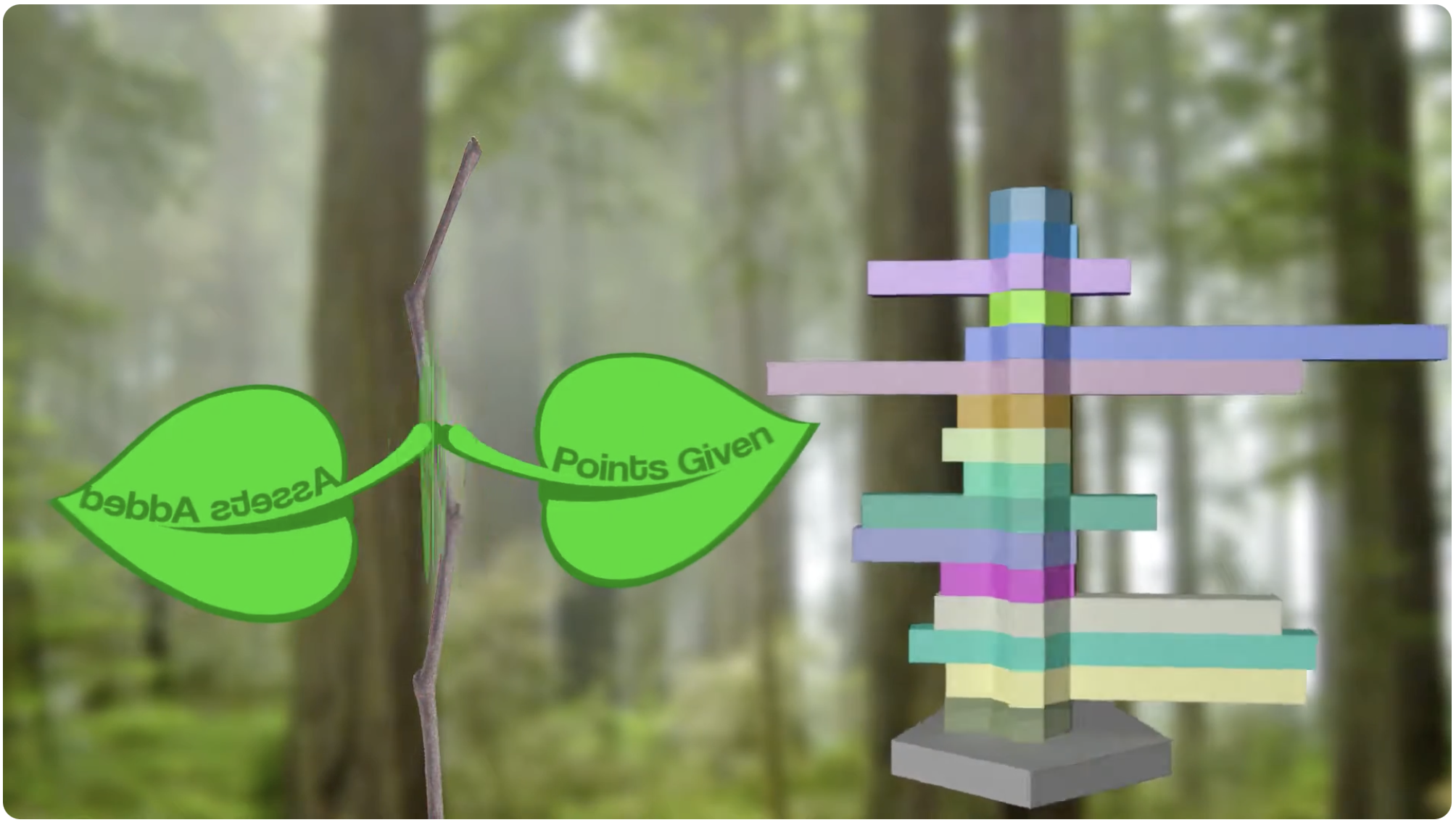
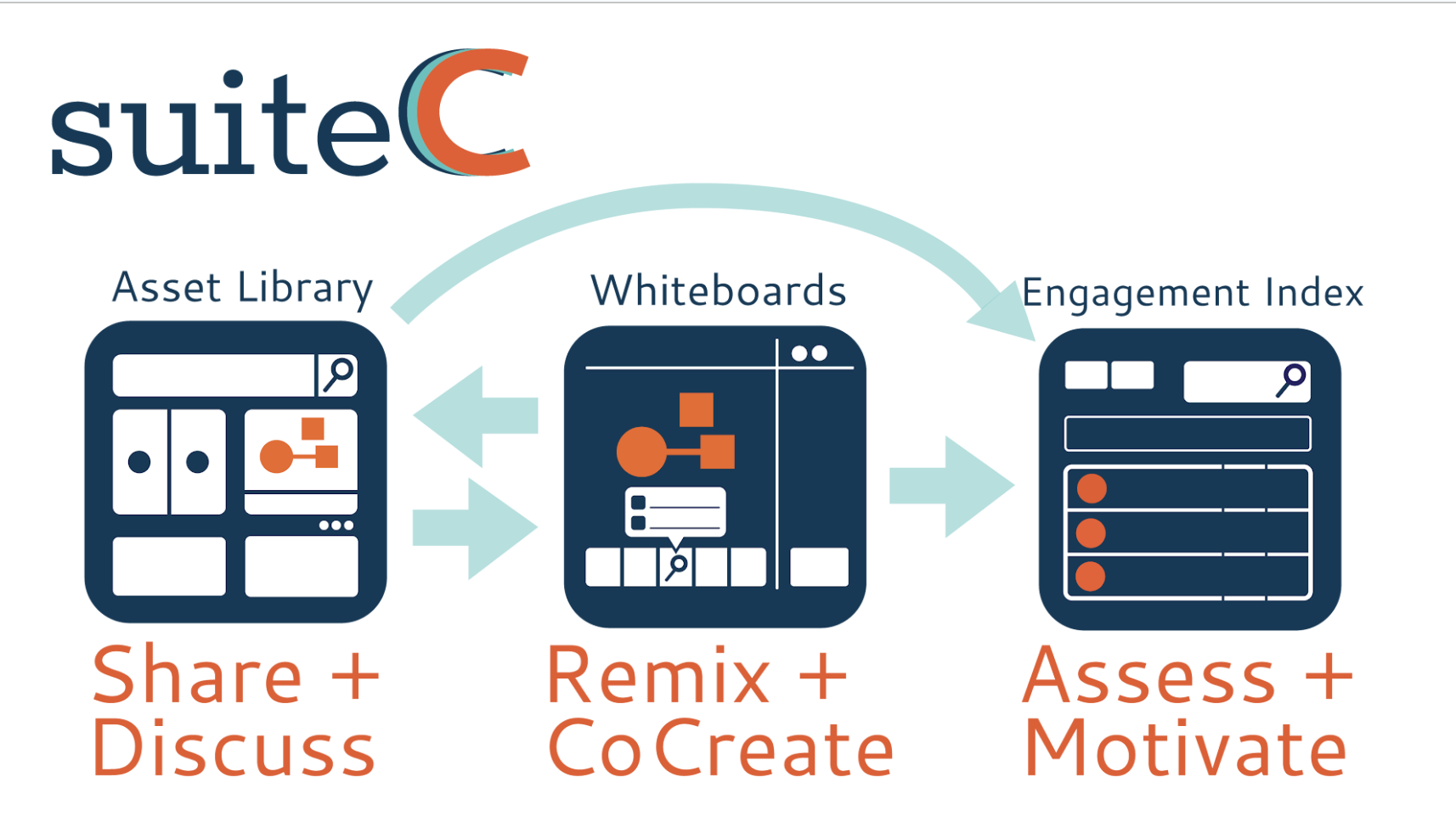
The SuiteC platform consisted of three connected apps: a social feed for posting and commenting on media assets; an interactive whiteboard where students collaborated in real time to remix and repurpose course assets into multimodal texts; and a social gamification system that rewarded students for creating artifacts that helped others learn.
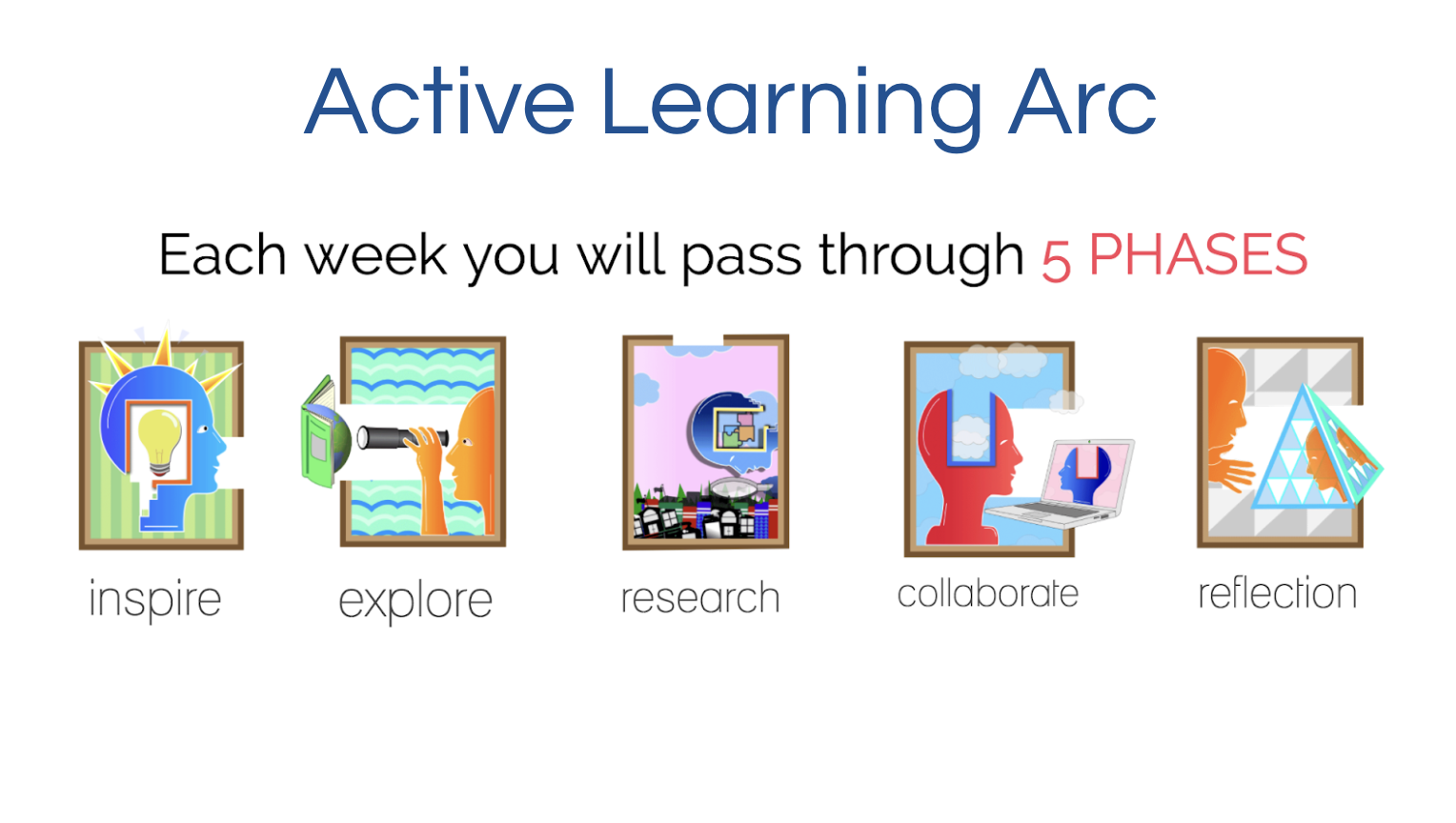
In parallel, I built an undergraduate course on that Active Learning Arc - moving students through phases of inspiration, exploration, research, collaboration, and reflection. I shot and edited all the video content, designed the assessments and rubrics, created interactive course “maps,” and launched the course.
The Impact
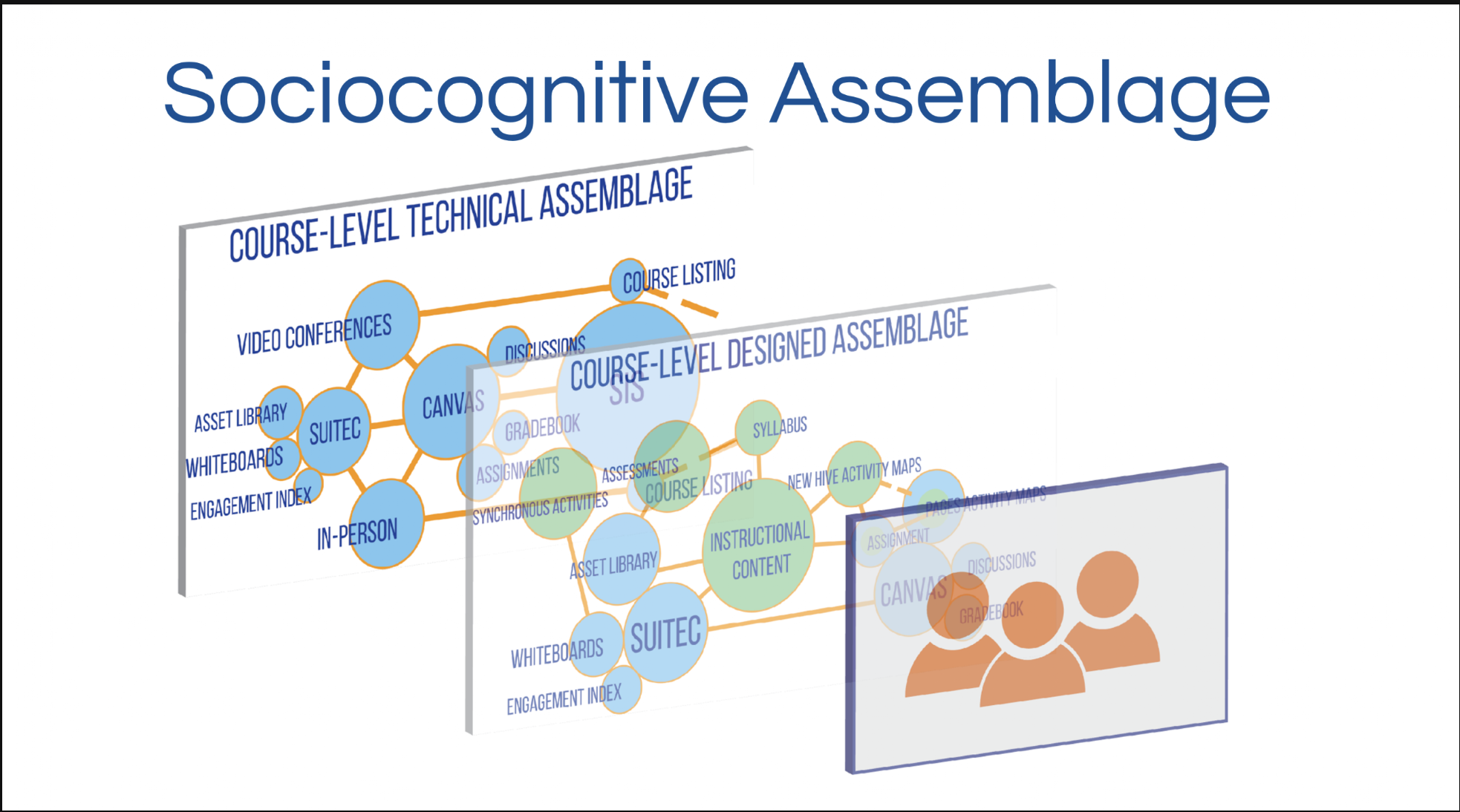
The SuiteC apps were adopted in courses across UC Berkeley, Stanford, and several other universities, and remained part of Berkeley’s instructional-technology infrastructure for years.
The Active Learning Arc and instructional model were integrated into other courses, becoming a central part of the first fully online minor across the University of California system. The course itself became known among students as an innovative, engaging form of online learning, unlike anything else on campus.
I presented findings and demoed the software at academic and edtech conferences, and published several studies - and my dissertation - after years of research on the course experience and the apps.